Planning a Colosseum Day Trip for a Youth or Mission Group in Rome
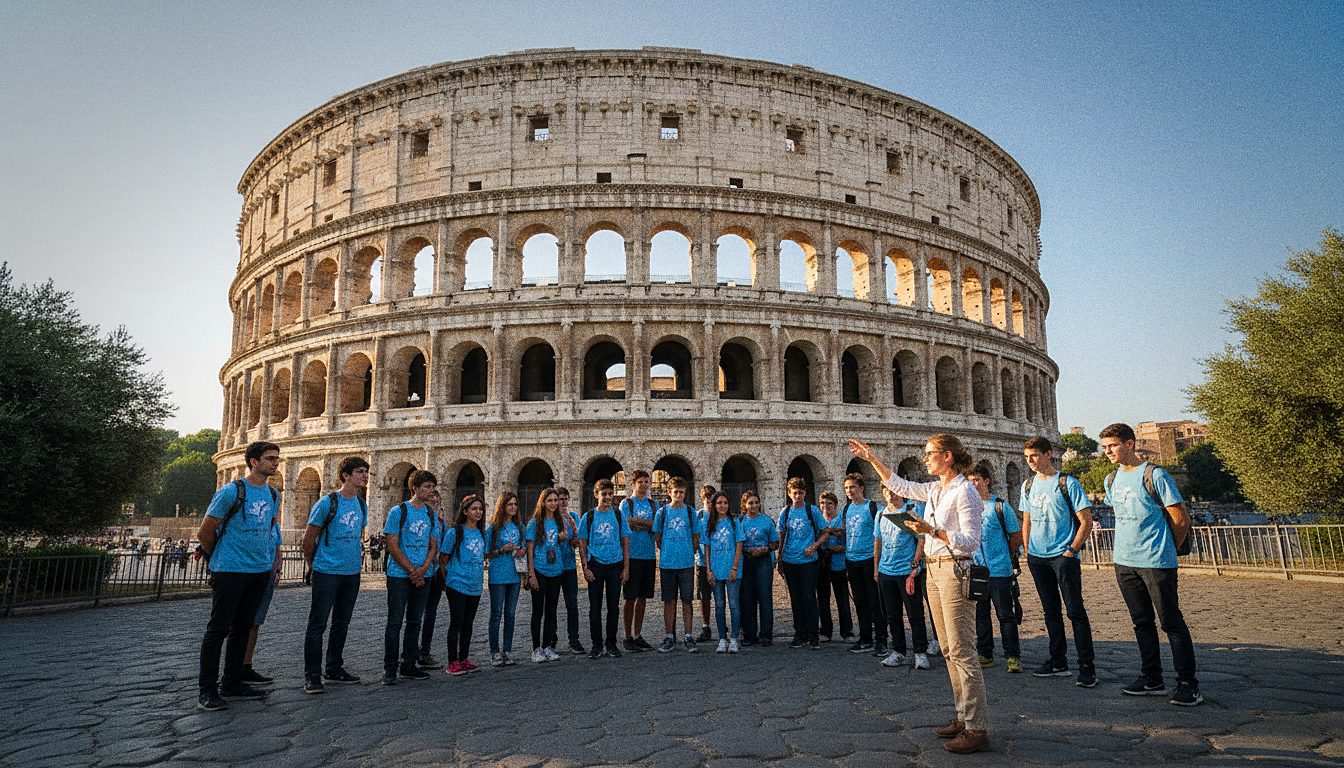
Rome routinely features on a UK youth or mission trip itinerary, whether as the main destination or a stop en route elsewhere in Italy, and a visit to the Colosseum, via koloseumrim.cz, is close to the one stop almost every group tries to include. It's a genuinely significant site, but the group logistics around a visit matter more than most first-time leaders expect, particularly for a party of teenagers on a tight schedule.
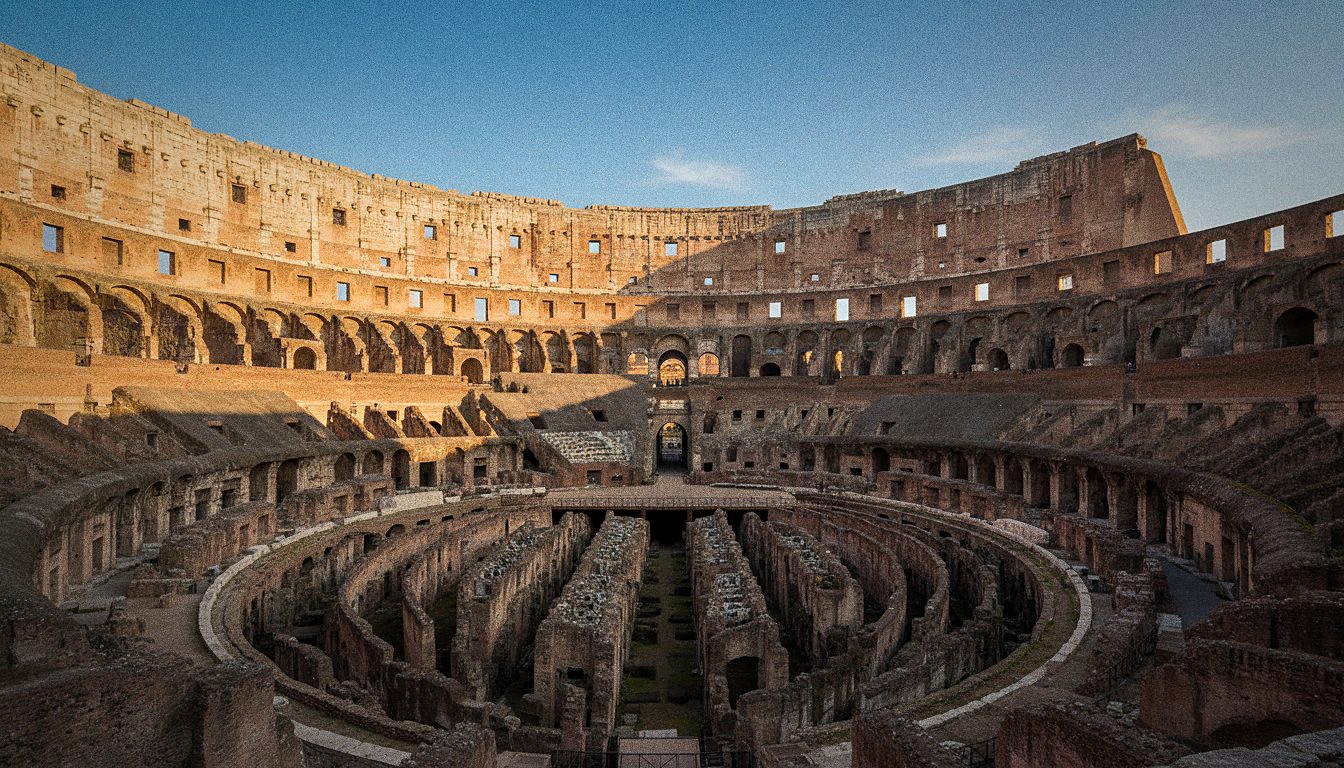
Why the Colosseum needs more planning than it looks like it does
- Security and entry queues — even with pre-booked tickets, security screening for a large group takes real time and needs building into the schedule
- Combined tickets — entry is often bundled with the nearby Roman Forum and Palatine Hill; deciding in advance whether the group has time and energy for all three matters
- Limited shade and seating — a summer visit with a group of teenagers needs water and rest breaks planned in, not left to chance
- Guided vs self-guided — a guide adds real cost but consistently produces better engagement from a group that might otherwise wander through without much context
Booking group entry properly
Booking well ahead of the trip is close to essential during busier months, and larger groups should check whether a specific group booking process applies rather than trying to purchase individual tickets in bulk through the standard consumer booking flow, which isn't always designed for parties of a dozen or more travelling together.
Worth knowing: arriving as a fully assembled group at the designated entry time, rather than trickling in as people finish other things nearby, avoids the common problem of a security queue splitting the group up right at the point everyone needs to move through together.
Fitting the visit into a wider Rome day
| Time block | Suggested use |
|---|---|
| Morning | Colosseum and, if included, the Roman Forum — book the earliest reasonable slot to avoid peak heat and crowds |
| Midday | A proper lunch break with shade and seating, not a rushed stop |
| Afternoon | A lighter activity; a morning of standing and walking in the sun is genuinely tiring for a group of any age |
Weaving in reflection time as a mission group
For a church group specifically, the Colosseum's history offers a natural, if sobering, point for reflection alongside the sightseeing — a short, deliberate conversation about history, suffering and faith, rather than treating the stop purely as a photo opportunity, often becomes one of the more meaningful moments of the whole trip when leaders build in the space for it rather than rushing straight to the next stop.
Groups building a broader European trip that mixes cultural landmarks with physical activity may also find our notes on Caminito del Rey as a team day for youth and mission groups useful for comparing a very different kind of shared group experience.
Practical group-management notes
A clear meeting point and a headcount system — even something as simple as buddy pairs checking in with each other at set intervals — matters more at a genuinely crowded site like the Colosseum than at almost anywhere else on a typical Rome itinerary. The volume of visitors, combined with a site that isn't a single simple loop, makes it easy for a large group to become separated without anyone immediately noticing.
Worth knowing: agreeing a specific, memorable meeting point inside the site before entry — not just "by the entrance", which is often the most crowded spot of all — saves real time if the group does become separated during the visit.
Guided versus self-guided for a large group
Whether to book an actual guide, rather than relying on an audio guide or a leader's own preparation, is one of the bigger decisions in planning this stop, and the right answer genuinely depends on group size and the amount of context leaders can realistically provide themselves.
Weighing the two approaches
| Approach | Works well for | Trade-off |
|---|---|---|
| Professional guide | Larger groups (15+), first-time visits | Higher cost; usually needs booking well ahead for a group of that size |
| Audio guide | Smaller groups, or a group happy to explore semi-independently within sight of leaders | Less engaging for younger teenagers than a live guide |
| Leader-prepared | Groups with a leader genuinely willing to research beforehand | Quality depends entirely on how much preparation actually happens |
A live guide's real advantage with a group of teenagers isn't just the historical facts — it's the ability to read the group's energy and adjust on the spot, fielding questions and keeping attention in a way that a fixed audio track or a leader juggling a headcount at the same time struggles to match. For a larger group making a single significant Rome stop, the extra cost of a guide is usually worth it.
Worth knowing: booking a guide who specifically works with youth or school groups, rather than a standard tourist guide, makes a genuine difference — someone experienced with a teenage audience paces the explanation and holds attention noticeably better than a guide used to adult tour groups.
If self-guiding, preparing properly in advance
A leader planning to guide the visit themselves gets considerably more out of it by preparing a small number of specific stories or facts in advance, rather than trying to narrate the entire site comprehensively. Three or four genuinely memorable details, delivered well at the right moment, land better with a group of teenagers than an attempt to cover everything and end up rushing through all of it.
Whichever approach a group chooses, the goal is the same: giving young people a way into a site that can otherwise feel like an enormous, crowded ruin viewed briefly from the outside, rather than somewhere they actually understand and remember once the trip is over.
A Rome stop planned with this much care rewards the group well beyond the day itself — it's consistently one of the moments a mission or youth trip is remembered for long after everyone's back home. Building it in deliberately, rather than as a rushed afterthought, is worth the effort.