Building a Barcelona Cultural Day Around Sagrada Familia Into a Youth Trip
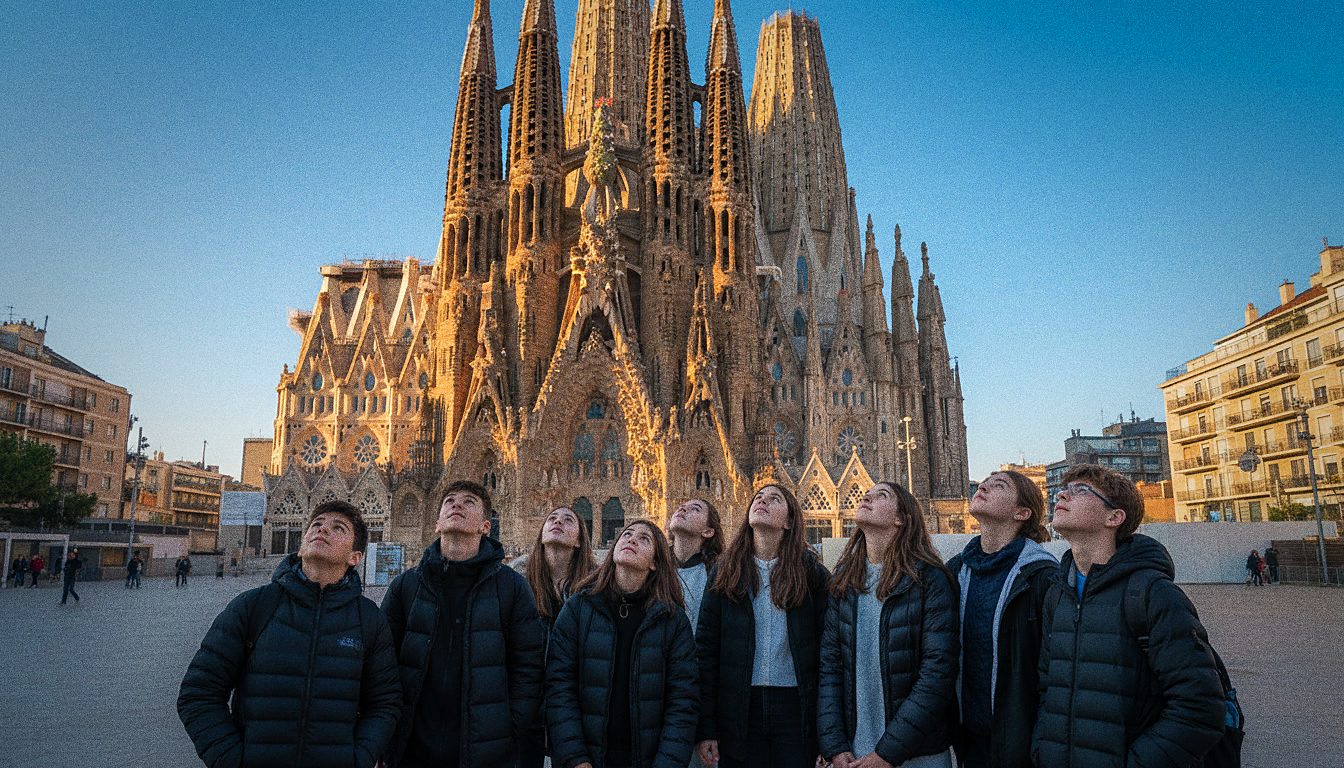
For youth and mission groups passing through Barcelona on a wider Spain trip, a half-day built around Sagrada Familia is a genuinely reliable way to give even a packed schedule one clear, unmistakable highlight — a building most young people will already recognise from photos, and one that consistently exceeds expectations once they're actually standing inside it.
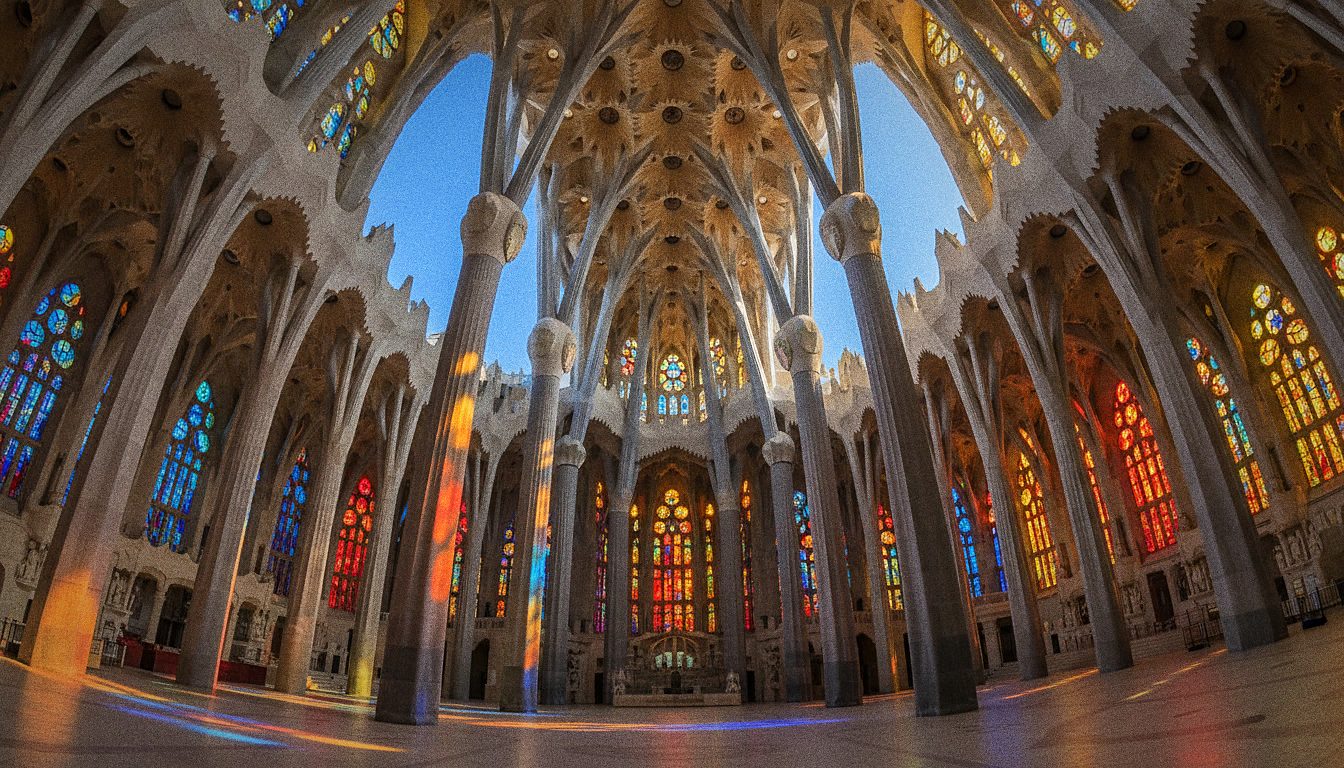
Why it works well specifically for a group with a spiritual dimension
For a church-run trip, the basilica offers something beyond a striking building to photograph — a genuine, accessible way into a conversation about faith, art and craftsmanship carried out across generations, which sits naturally alongside whatever the trip's wider spiritual content already involves. It rarely feels like a forced add-on the way some tourist stops can on a mission-focused itinerary.
- Timed entry tickets — booking ahead is close to essential; queues for tickets bought on the day can eat up most of a morning
- Tower access is a separate booking — worth deciding in advance whether the group wants the additional tower visit, since it has its own timed slot and isn't included by default
- A genuinely full visit takes 90 minutes to two hours — rushing it to fit around other plans undersells what's actually a significant experience
Group-specific booking notes
Larger groups typically need to book together rather than as individual tickets, and it's worth confirming any group discount or booking process well ahead of the visit date rather than assuming individual online booking scales smoothly to a party of fifteen or twenty. A named group leader handling the booking, with a printed or downloaded confirmation for the day itself, avoids last-minute confusion at the entrance.
Worth knowing: a short briefing before entry — what the building actually represents, and a couple of specific details to look out for inside — turns the visit from a photo stop into something the group genuinely engages with, rather than walking through quickly and moving on.
Fitting it into a wider Barcelona day
| Time block | Suggested use |
|---|---|
| Morning | Sagrada Familia visit, 90 minutes to two hours including any tower access |
| Midday | Lunch in the surrounding neighbourhood, which has plenty of straightforward group-friendly options |
| Afternoon | A lighter activity, since a full basilica visit is genuinely tiring to process, especially for a large group |
Balancing a cultural day against project time
Groups often worry that a cultural day like this takes valuable time away from the actual project work or partner-church visit that's the real purpose of the trip. In practice, one well-planned cultural highlight, rather than several smaller scattered sightseeing stops, tends to support the rest of the trip rather than compete with it — it gives the group a shared reference point and a break in intensity that often makes the working days that follow more productive, not less.
Some groups pair a Barcelona cultural day with a physical team challenge earlier or later in the trip — our separate piece on Caminito del Rey as a team day for youth and mission groups covers a genuinely different kind of shared experience worth weighing against a purely cultural day.
Practical notes for a first-time group leader
Barcelona's public transport connects most central accommodation to the basilica reasonably easily, which removes the need for a hire vehicle for this particular leg of a wider Spain trip, even if the group is driving between cities for the rest of the itinerary. Metro tickets for a group of this size are worth buying as a batch in advance where the system allows it, rather than queuing individually at a machine with a tired group waiting.
Worth knowing: the surrounding streets get genuinely crowded around peak entry times — building in a slightly earlier arrival than the ticket's stated entry window, to regroup as a full party before going in, avoids losing people in the crowd right before entry.
Handling a group with mixed faith backgrounds
Not every young person on a church-organised trip comes from a strongly church-going family, and a visit to a working basilica can land quite differently depending on each young person's own background and comfort level with an explicitly religious space. A leader who plans for that variety, rather than assuming a uniform reaction, gets more out of the visit for the whole group.
Framing the visit inclusively
- Lead with the craftsmanship and history — the building's construction story, spanning well over a century, is genuinely fascinating on its own terms and gives every young person, whatever their own beliefs, something to engage with
- Offer, don't require, deeper reflection — a brief optional moment for quiet reflection inside works better than a required group activity that assumes everyone shares the same starting point
- Debrief afterwards without assuming a single reaction — asking open questions about what people noticed, rather than what it "meant" to them spiritually, invites honest responses from a genuinely mixed group
Worth knowing: young people who are more hesitant about explicitly religious content often engage more readily with a building like this when it's introduced primarily as remarkable architecture and history, with the spiritual dimension offered rather than assumed — an approach that tends to draw in a wider range of the group rather than narrowing the conversation to those already comfortable with it.
This same principle — leading with something universally engaging before inviting deeper reflection for those who want it — applies just as well to other cultural stops on a wider church trip, not only this particular visit. A leader who plans for genuine variety within the group, rather than assuming everyone arrives at the same starting point, consistently gets a richer, more honest response from the whole party than one who assumes a shared reaction in advance.
Handled thoughtfully, a day like this becomes one of the trip's genuinely unifying moments rather than a point of quiet discomfort for anyone in the group — worth the small amount of extra planning it takes to get right.
Most groups who plan this carefully come away describing it as one of the trip's real highlights, regardless of each individual's own starting point going in.