Why Small Churches Struggle to Start Youth Work (and What Actually Helps)
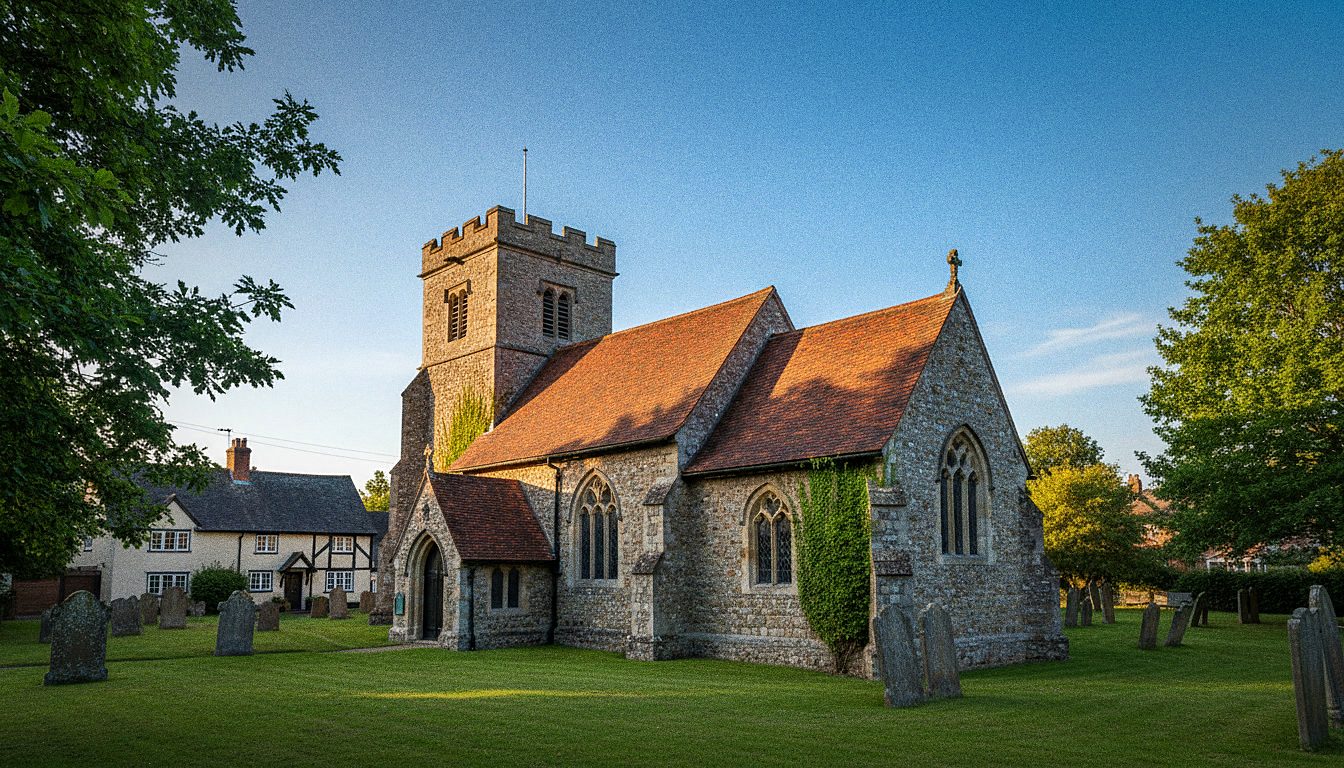
Ask a small church why youth work never quite got off the ground, and the answer usually starts with "we don't have the resources" — but sit with the conversation a little longer, and a different, more specific pattern tends to emerge. Isolation, far more than a straightforward lack of resources, is usually the real underlying problem, and it happens to be the one that a shared programme or a genuine network addresses most directly.
The real, common reasons, beyond "not enough money"
- One person carrying it alone — a single volunteer with no team around them burns out or moves on, and the whole effort disappears with them
- No one to ask — a small church often has no one nearby who's actually done this before, so every problem feels like it's being solved from scratch
- Starting too big, too fast — an ambitious launch that isn't sustainable collapses within a term, and the church becomes reluctant to try again
- No clear ask leadership can say yes to — a vague hope rather than a specific, costed plan rarely gets properly backed
- Low visible confidence — a congregation that's watched previous attempts fizzle out is understandably cautious about backing another one
Why isolation specifically is the deepest problem
Most of the other problems on this list are, at root, symptoms of isolation rather than separate issues. A single volunteer with no peer support carries too much alone. A church with no one nearby who's done this before has no natural source of realistic advice. Even an over-ambitious launch often comes from a well-meaning volunteer with no one to gently suggest starting smaller. Solve isolation, and several of the other problems on the list become considerably more manageable on their own.
Worth knowing: churches that join even a small, informal peer network of two or three similar-sized congregations report meaningfully higher confidence starting youth work than those attempting it entirely alone — the effect shows up even without any formal training programme attached.
What genuinely helps, matched against the real cause
| Real cause | What actually helps |
|---|---|
| One person carrying it alone | Recruiting a small team of two or three from the start, not one volunteer |
| No one to ask | Joining a peer network or cohort programme with other small churches |
| Starting too big | A deliberately small, repeatable first term rather than an ambitious launch |
| No clear ask | A short, specific written case for leadership and the congregation |
Rebuilding confidence after a previous attempt has failed
A church that's tried and quietly stopped before carries a particular kind of caution into any second attempt, and that caution is worth respecting rather than talking past. Being explicit about what's different this time — a smaller start, a proper team rather than one volunteer, a clear written plan — genuinely helps rebuild the trust needed to try again, more than simply repeating the same enthusiastic pitch as last time.
Several of the pieces linked from this page cover the practical side of addressing each of these causes directly — our notes on what a Collective-style programme actually involves address the isolation problem specifically, and our page on building a partner network as a small charity covers the same underlying principle from the charity's own side of the relationship.
Starting small, deliberately, on purpose
The churches that build the most sustainable youth work rarely have the largest launch — they have the most deliberately modest one, paired with genuine team support and somewhere to turn when something doesn't go to plan. Six committed young people who keep coming back matters more, a year in, than sixty who came once for a launch event and never returned.
Worth knowing: the single strongest predictor of whether a small church's youth work survives its first year isn't budget, congregation size, or even the number of volunteers — it's whether at least one of those volunteers has access to someone outside the church who's done this before.
What a first successful term actually looks like
It's worth being explicit about what success genuinely looks like at the end of a first term, because the picture in most volunteers' heads — a large, buzzing group and a packed programme — sets an unrealistic bar that a genuinely healthy first term rarely clears, and shouldn't be expected to.
A realistic first-term scorecard
| Measure | A realistic, healthy first term |
|---|---|
| Group size | Small and stable — often single figures — rather than large and declining |
| Attendance pattern | The same core group returning week to week, more important than the absolute number |
| Volunteer wellbeing | The team still willing and able to continue into a second term, not burnt out |
| Leadership confidence | Leadership willing to back a second term based on what they've actually seen, not just hoped for |
A church that judges its first term against a large-numbers standard, rather than against whether a small group came back consistently and the volunteer team is still standing at the end of it, often talks itself out of continuing a genuinely successful start simply because it didn't look the way they'd pictured.
Worth knowing: a first term with five committed young people and a rested, willing volunteer team is a considerably stronger foundation for year two than a first term with twenty-five young people and a burnt-out team that doesn't want to continue — even though the second scenario looks more impressive from the outside.
Resetting expectations honestly at the start, and again at the end of the first term, is worth the discomfort it sometimes takes — a church that goes in expecting a realistic, modest outcome is far better placed to recognise genuine success when it actually happens, rather than measuring a quietly solid first term against an unrealistic picture it was never going to match.
Isolation is solvable, and a modest, well-supported first term is a genuinely achievable starting point for almost any small church willing to give it a proper, patient attempt. The churches who get there fastest are usually the ones who stopped trying to do it entirely alone.