Planning a Church Youth Summit: A Step-by-Step Guide
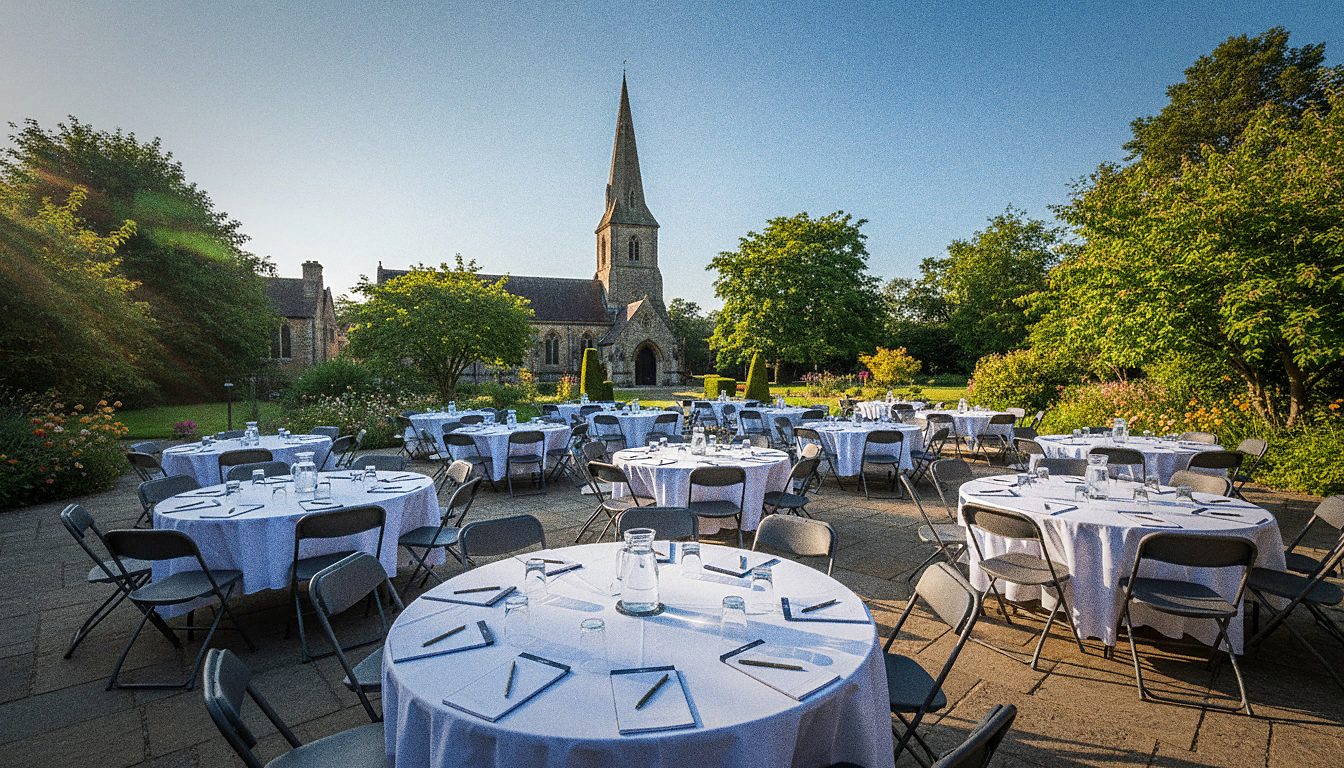
A youth ministry summit — a day, or occasionally a weekend, bringing volunteers and leaders from several churches together in one room — works best when it does one specific thing well: giving a room full of often-tired volunteers genuine peer conversation with people doing the same job in a different building, rather than another round of top-down teaching they could have got from a video.
The core planning steps
- Set a clear, narrow purpose — a summit trying to cover everything ends up covering nothing well; picking one or two themes serves attendees better than a packed agenda
- Book the venue with peer conversation in mind — round tables that seat six to eight beat rows of chairs facing a stage, for a day built around discussion
- Balance input and discussion time — a rough two-thirds discussion, one-third input split tends to work better than the reverse for volunteer audiences
- Invite a genuine mix of experience levels — pairing brand-new volunteers with three-year veterans in discussion groups produces richer conversation than grouping by experience level
- Plan the follow-up before the day itself — a summit with no follow-up plan tends to generate enthusiasm that fades within a fortnight
Why round-table format matters more than it sounds
Seating shapes conversation more than most organisers expect. A room of chairs facing a stage produces an audience; a room of round tables produces a series of small, genuine conversations that happen to be interrupted occasionally by someone speaking from the front. For a summit whose real value is peer connection, the seating plan is a genuine strategic decision, not a logistics afterthought.
Worth knowing: deliberately mixing churches at each table, rather than letting people sit with whoever they arrived with, is a small facilitation choice that measurably increases how much genuine cross-church conversation happens over the course of the day.
A realistic running order
| Block | Suggested focus |
|---|---|
| Opening | Brief, warm, sets tone — not a long welcome speech |
| Session one | Short input on the day's theme, followed by table discussion |
| Break | Genuinely unstructured — some of the best conversations happen here |
| Session two | Practical, hands-on — a tool or approach attendees can use immediately |
| Closing | Each table commits to one concrete next step before leaving |
Choosing a date and avoiding the usual clashes
Church calendars are more crowded than they first appear — school holiday timing, existing denominational events, and the natural rhythm of the church year all narrow the realistic window for a well-attended summit considerably. Checking against a few of the larger regional and denominational calendars before setting a date avoids the common mistake of scheduling directly against an event that would otherwise draw the same audience.
A summit often marks a natural milestone partway through a cohort-style programme — see our page on what a Collective-style programme actually involves for how the earlier stages typically feed into a day like this.
Making the follow-up actually happen
The single biggest gap in most summit planning is what happens the week after. Attendees leave energised, but without a concrete structure to carry that energy back into their own church context, it fades within days. A short, simple follow-up — a one-page summary sent within a week, or a half-hour group video call a month later to check on the commitments made on the day — does more to extend a summit's real value than almost any amount of extra polish on the day itself.
Worth knowing: asking every table to write down one specific commitment before they leave — not a vague intention but a dated, concrete action — and collecting those cards centrally to follow up on later turns good intentions into something that actually gets checked.
Budgeting a summit realistically
A summit doesn't need to be expensive to be effective — venue hire, basic catering and printed materials cover most of the real cost, and the value sits overwhelmingly in the conversation itself rather than in production quality. Our separate notes on how churches actually fund new youth projects apply just as well to a one-off event like this as they do to an ongoing programme.
Measuring whether the summit actually worked
Enthusiasm on the day itself is an unreliable measure of whether a summit genuinely achieved anything — a room full of tired volunteers can have a lovely afternoon and go home without a single thing actually changing in how their church runs youth work. Building in a proper way to measure impact, beyond a feedback form filled in while people are still in the room, matters more than most organisers plan for.
Useful measures beyond same-day feedback
| Measure | When to check |
|---|---|
| Whether the concrete commitments from each table were actually started | 4-6 weeks after the summit |
| Whether new cross-church contacts made on the day led to any follow-up conversation | 2-3 months after |
| Whether attendees would recommend the summit to a colleague who didn't attend | A few weeks after, once initial excitement has settled |
Worth knowing: a short, genuine follow-up call to a small sample of attendees a month later — not a survey, an actual conversation — usually surfaces far more honest, useful feedback about what really landed than an anonymous form filled in on the way out the door.
Treating a summit as one data point in an ongoing relationship with the churches involved, rather than a single self-contained event to be judged in isolation, tends to produce a more honest and useful sense of whether it's worth repeating the following year. A summit that's judged purely on how the day itself felt, without any of this follow-through, risks becoming a pleasant annual tradition that quietly stops delivering the real change it was originally designed to spark.
Done well, and followed through properly afterwards, a well-run summit is one of the more cost-effective investments a small charity or network of churches can make in the people actually doing the work week to week.
The planning steps above aren't complicated on their own, but skipping the follow-up is the one mistake that most reliably turns a good day into a wasted one.